



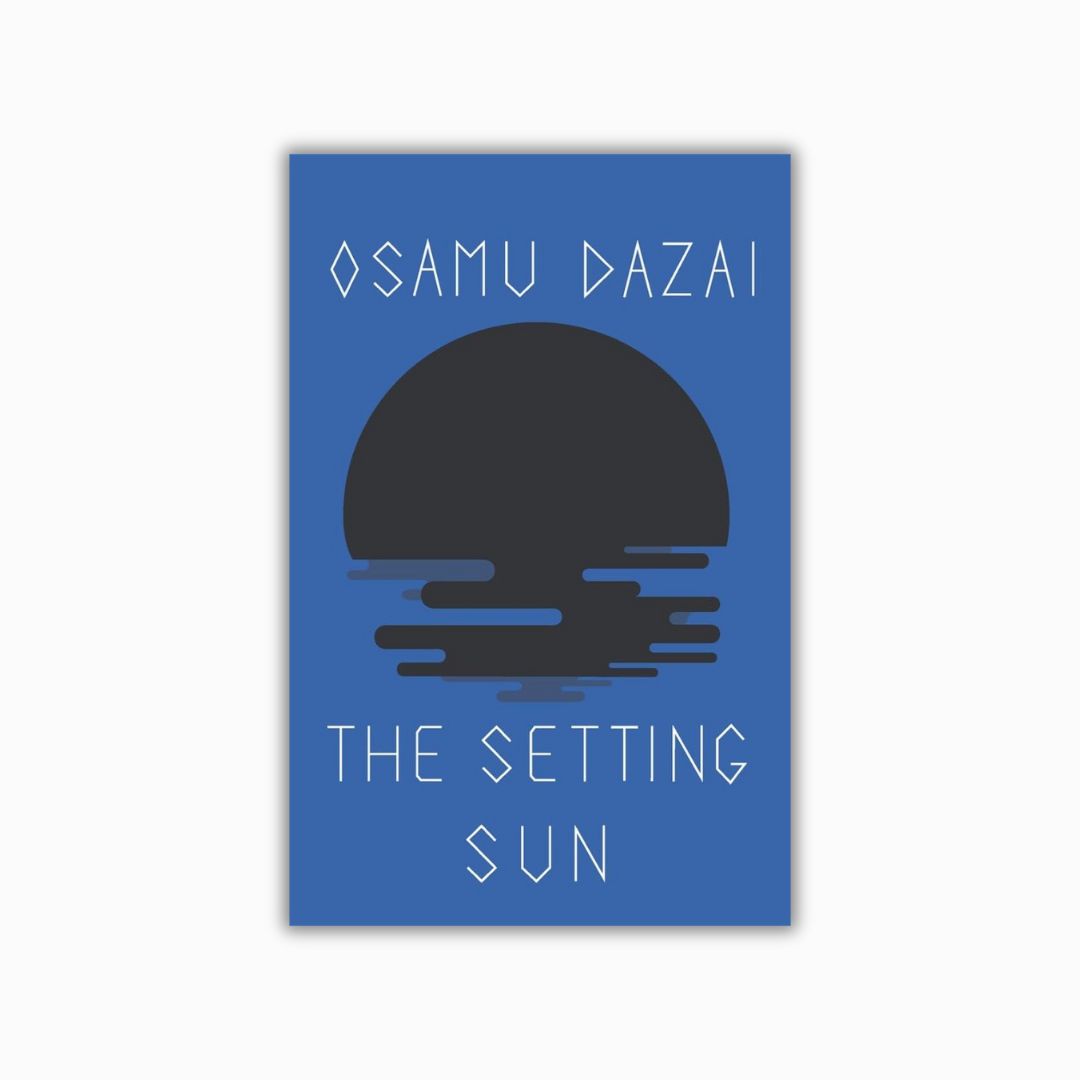
Description
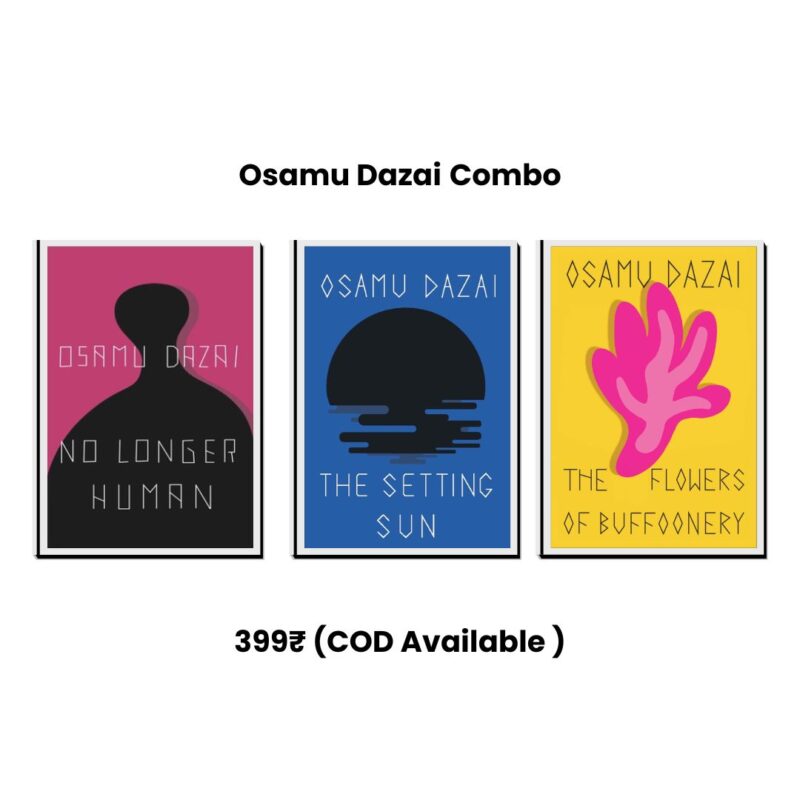
The post-war period in Japan was one of immense social change as Japanese society adjusted to the shock of defeat and to the occupation of Japan by American forces and their allies. Osamu Dazai’s The Setting Sun takes this milieu as its background to tell the story of the decline of a minor aristocratic family.
The story is told through the eyes of Kazuko, the unmarried daughter of a widowed aristocrat. Her search for self-meaning in a society devoid of use for her forms the crux of Dazai’s novel. It is a sad story, and structurally is a novel very much within the confines of the Japanese take on the novel in a way reminiscent of authors such as Nobel Prize winner Yasunari Kawabata – the social interactions are peripheral and understated, nuances must be drawn, and for readers more used to Western novelistic forms this comes across as being rather wishy-washy.
Kazuko’s mother falls ill, and due to their financial circumstances, they are forced to take a cottage in the countryside. Her brother, who became addicted to opium during the war is missing. When he returns, Kazuko attempts to form a liaison with the novelist Uehara. This romantic displacement only furthers to deepen her alienation from society.



Reviews
There are no reviews yet.